Taxes & Compliance Hub
Build Tax Systems That Keep You Prepared Year-Round
Learn how to manage taxes, track deductions, prepare for quarterly payments, maintain compliance, and build repeatable systems that reduce stress and improve tax readiness throughout the year.
What You’ll Find in the Taxes & Compliance Hub
The Taxes & Compliance Hub contains the guides, systems, templates, and resources self-employed professionals need to manage tax responsibilities, maintain accurate records, and stay compliant throughout the year.
Whether you’re a freelancer, consultant, contractor, or service-based business owner, these resources help simplify tax planning, organize documentation, track deductible expenses, and prepare for filing deadlines with confidence.
New to Self-Employed Taxes?
Independent Contractor Tax Guide
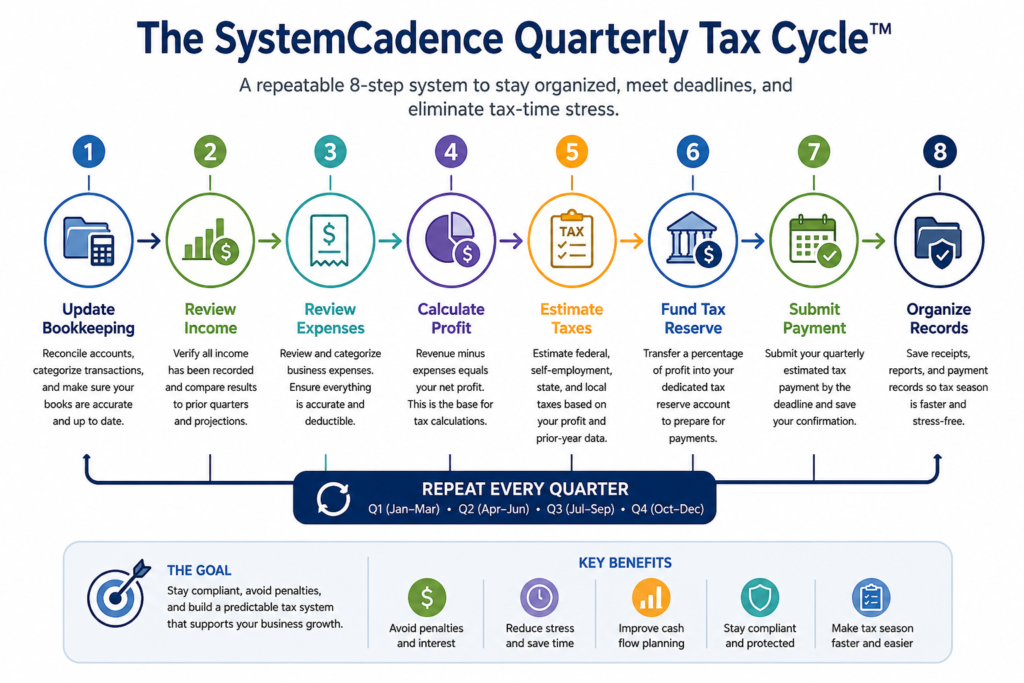
Quarterly Tax Planning System
Tax Recordkeeping Guide
Quarterly Estimated Tax Guide
START HERE
Independent Contractor Tax Guide
Learn the fundamentals of self-employed taxes, estimated payments, deductions, recordkeeping, and year-round tax preparation.
The SystemCadence Tax Recordkeeping Framework™
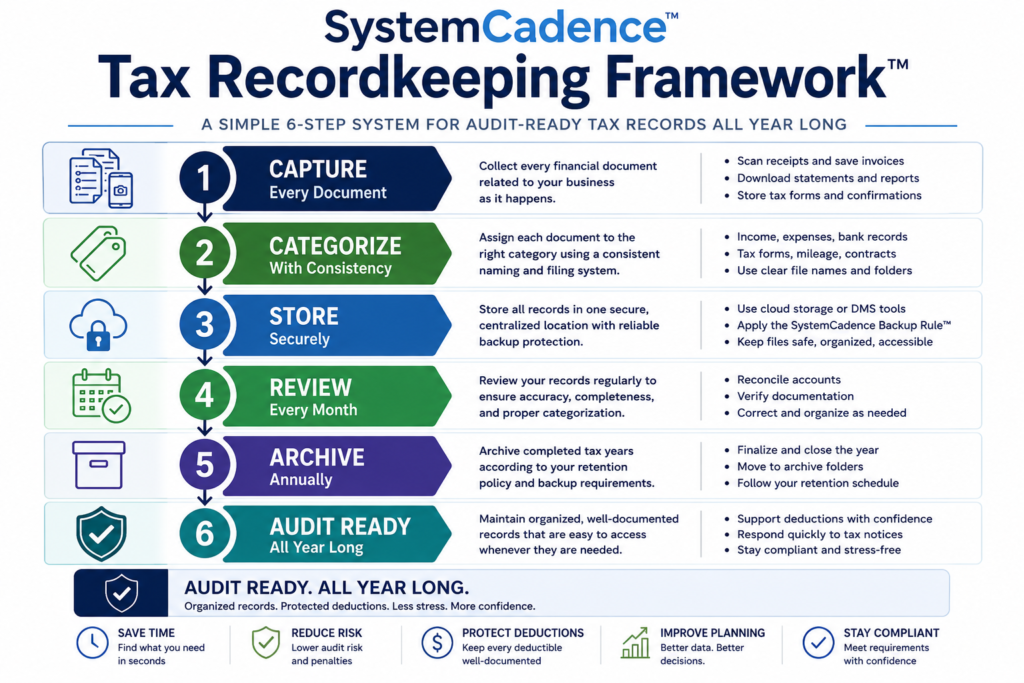
The SystemCadence Tax Recordkeeping Framework™ helps self-employed professionals capture, organize, review, archive, and maintain business records throughout the year so tax preparation becomes easier and more accurate.
Taxes become much easier when they are managed through repeatable systems rather than last-minute preparation.
This hub contains guides, templates, and frameworks designed to help self-employed professionals track deductions, prepare for quarterly taxes, maintain organized records, and stay compliant throughout the year.
Whether you’re filing your first Schedule C or building a long-term tax management process, these resources will help you create a more organized and tax-ready business.
Taxes & Compliance Hub
Tax Planning
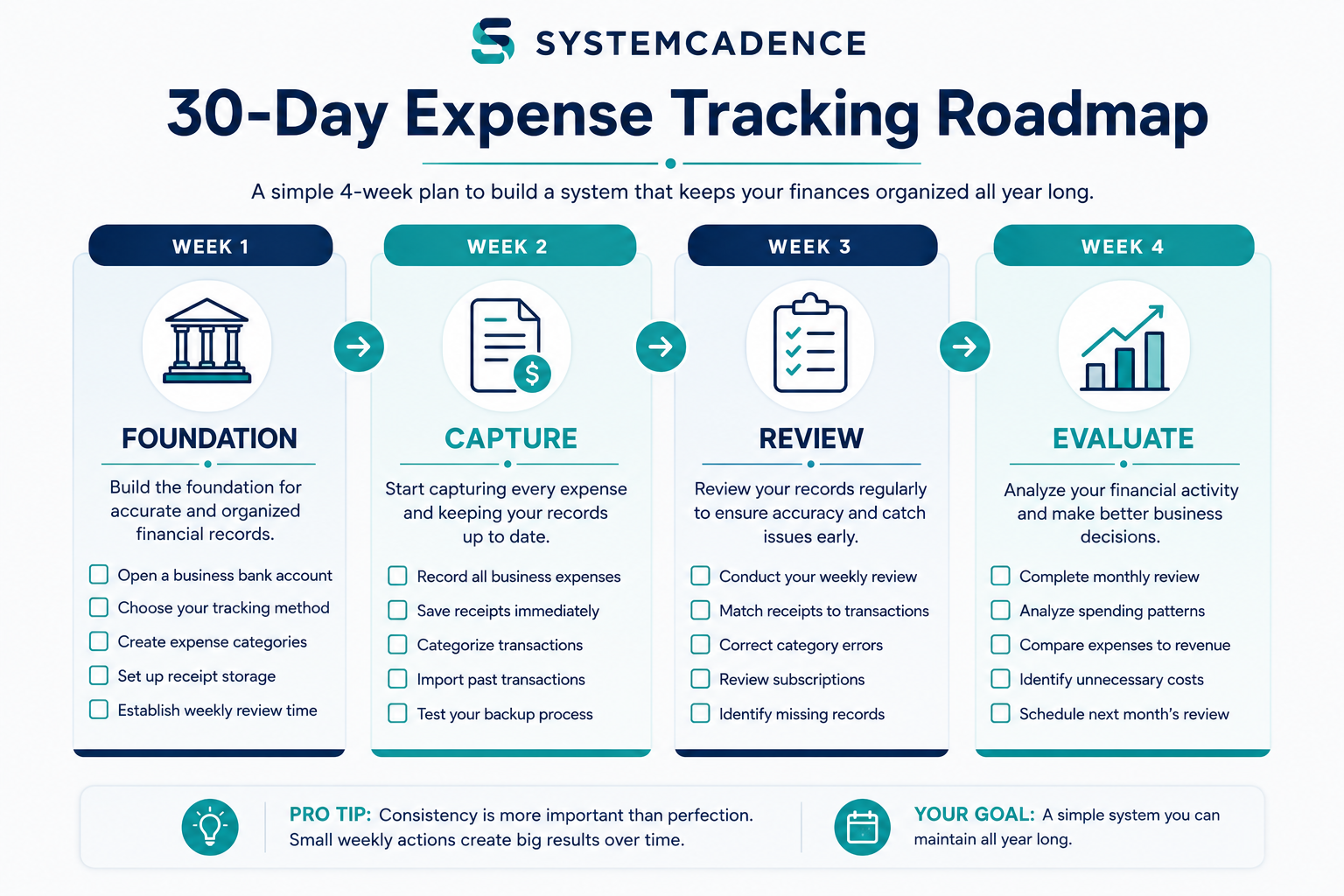
Learn the fundamentals of self-employed taxes, filing requirements, deductions, and tax obligations for independent contractors.
Understand how estimated tax payments work, how to calculate them, and how to avoid underpayment penalties.
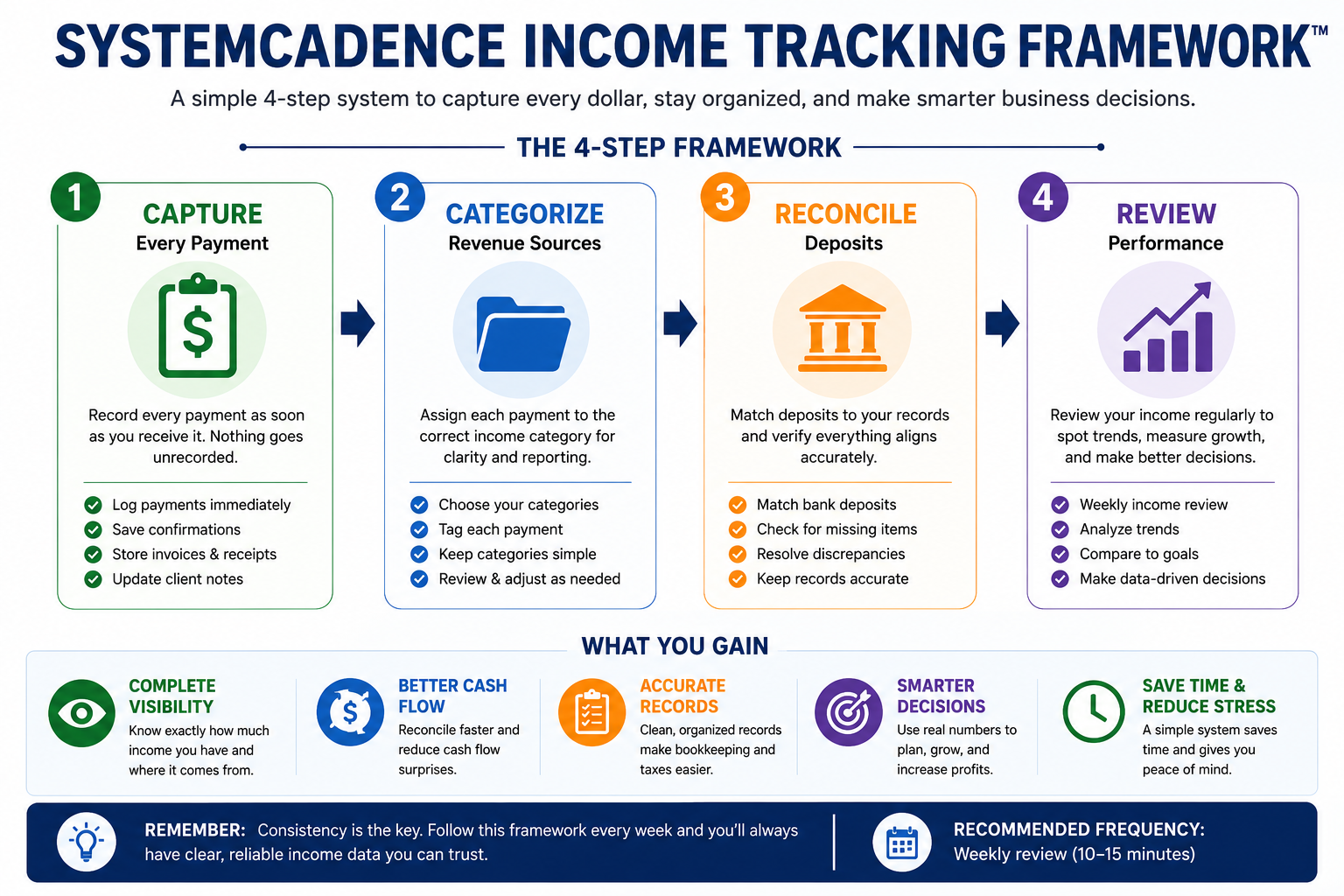
Build a repeatable process for organizing records, tracking deductions, and staying prepared for tax season year-round.
Taxes & Compliance Hub
Deductions
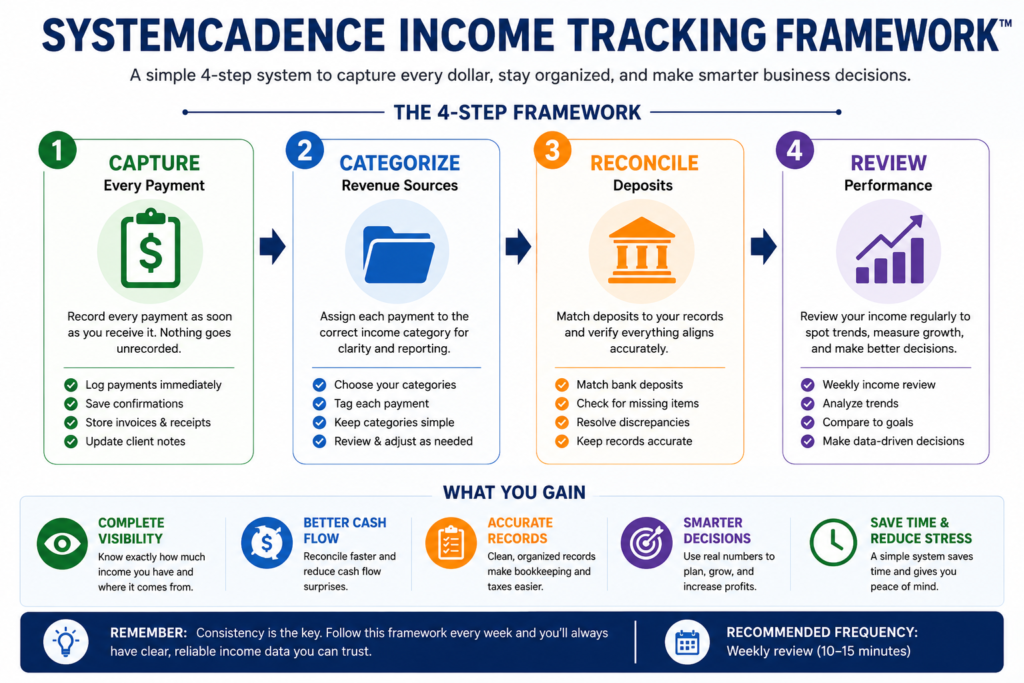
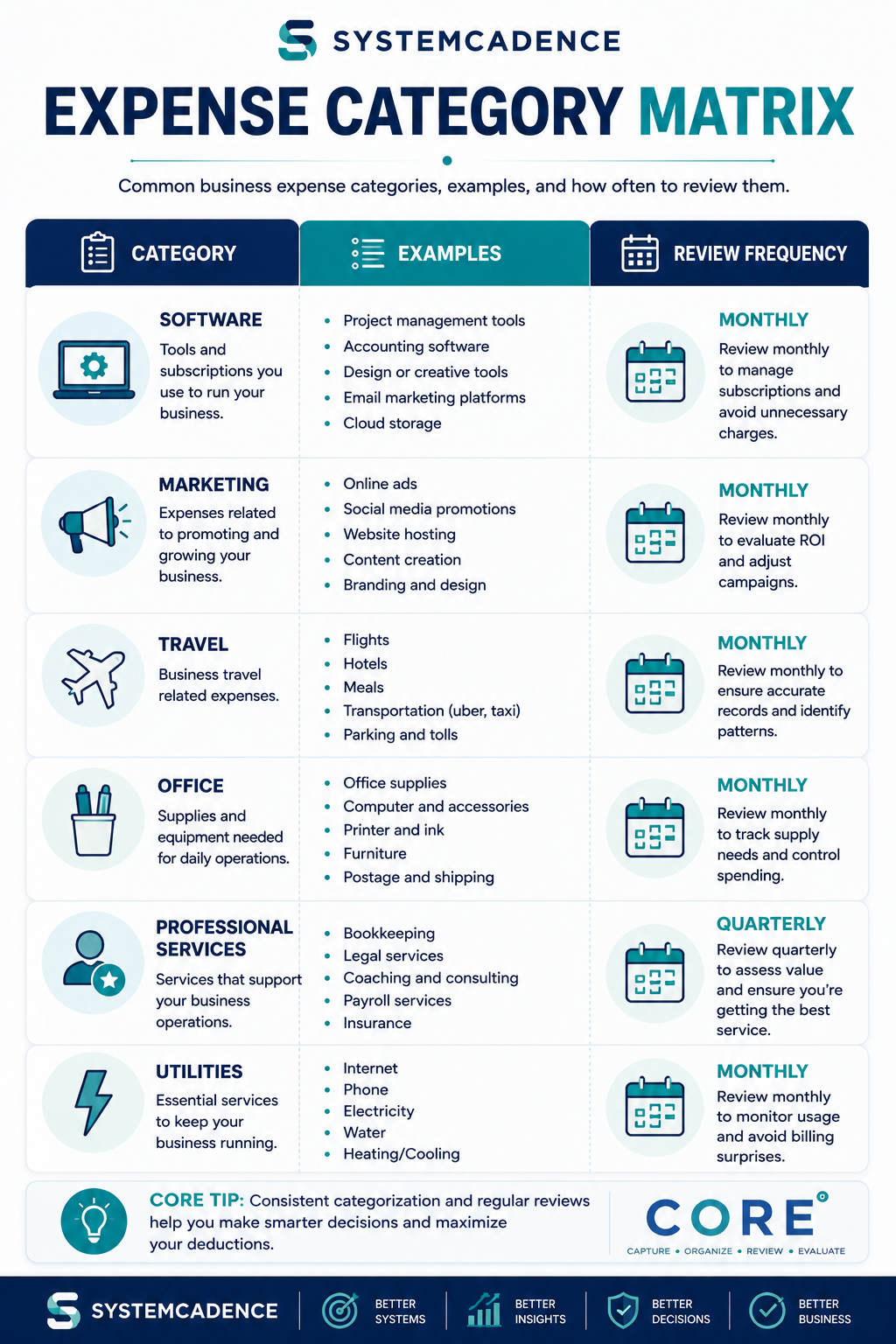
Explore common business deductions and learn how to identify legitimate expenses that may reduce taxable income.
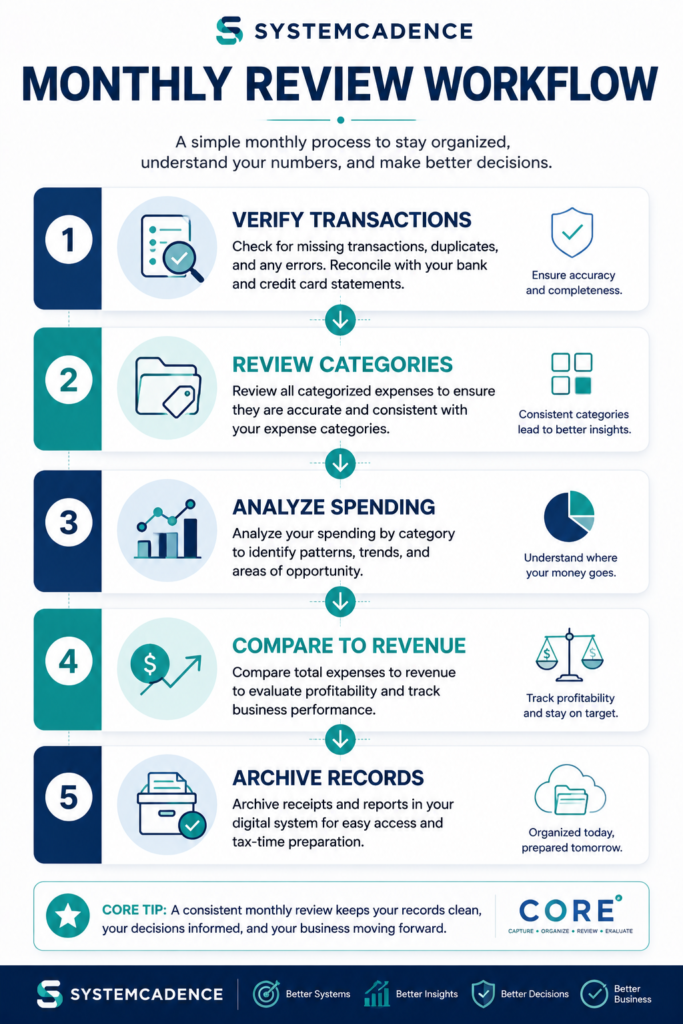
Learn the requirements, calculation methods, and recordkeeping practices needed to claim a home office deduction.
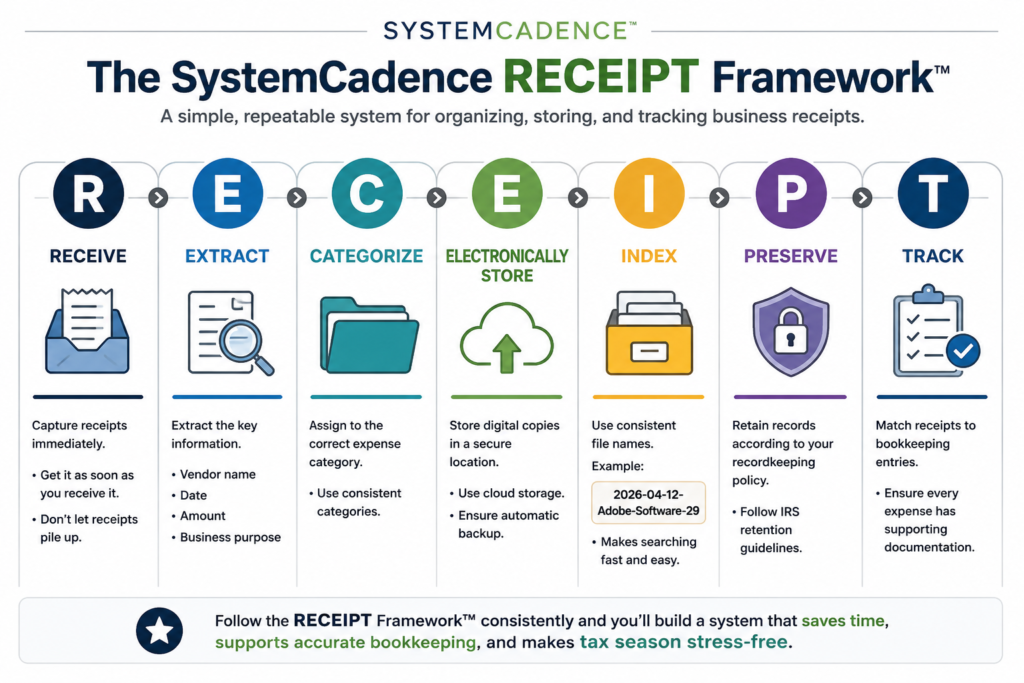
Understand how to track business mileage accurately and maximize vehicle-related tax deductions.
Taxes & Compliance Hub
Compliance
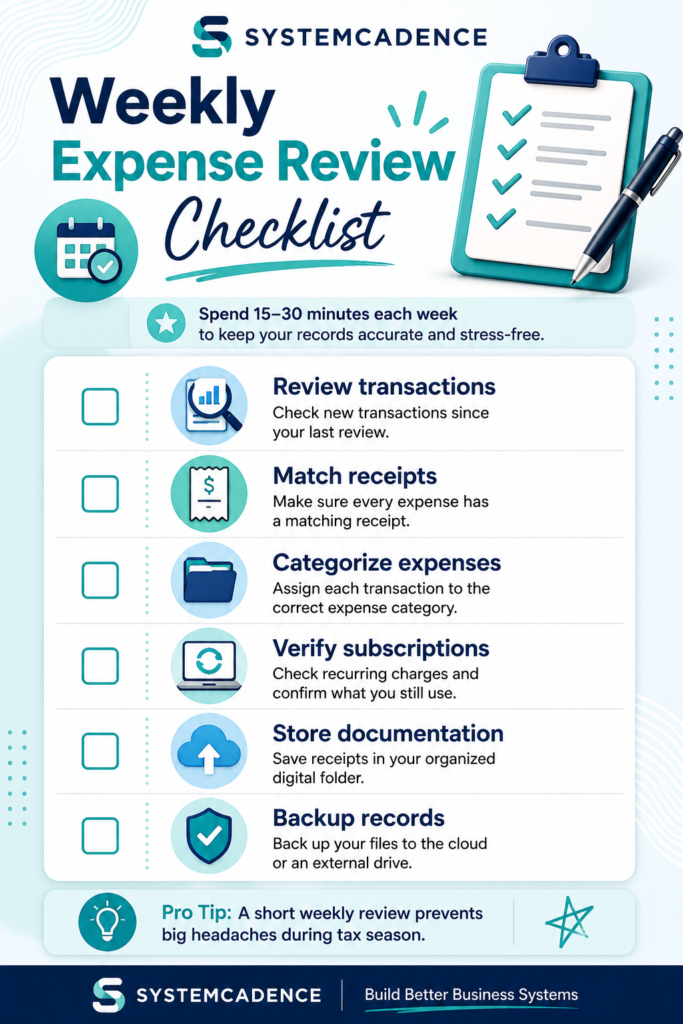
Learn which financial records, receipts, and documents should be maintained to support accurate tax reporting.
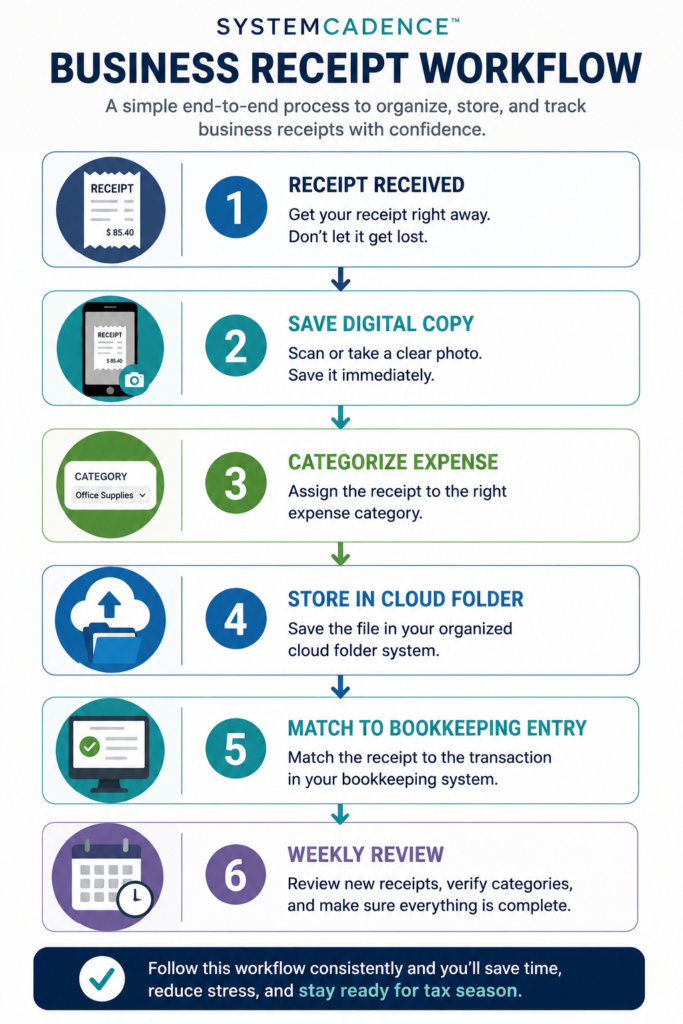
Stay on top of important tax due dates, filing deadlines, and reporting requirements throughout the year.
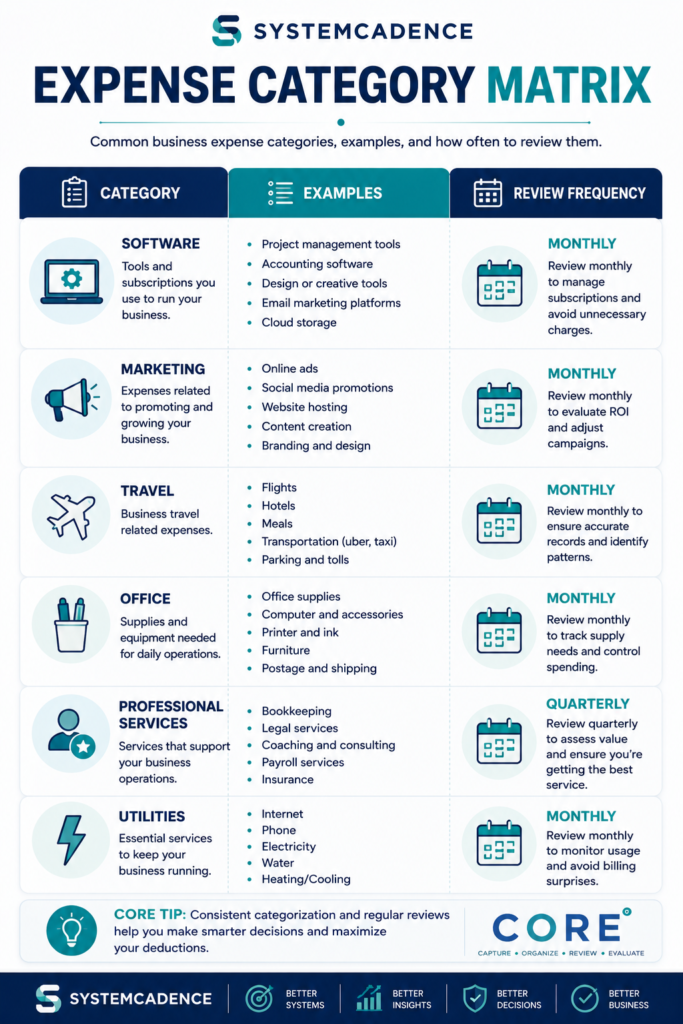
Discover practical steps for organizing documentation and maintaining records that support audit readiness.
Build a Complete Tax & Compliance System
Managing taxes successfully requires more than filing a return once per year.
The resources in this hub help self-employed professionals create repeatable systems for:
- Tracking tax obligations
- Organizing financial records
- Maintaining compliance
- Planning estimated tax payments
- Supporting deductible expenses
- Preparing for filing deadlines
Together, these resources create a structured approach to tax management that improves organization and reduces administrative burden.
Taxes & Compliance Hub
Tax Systems
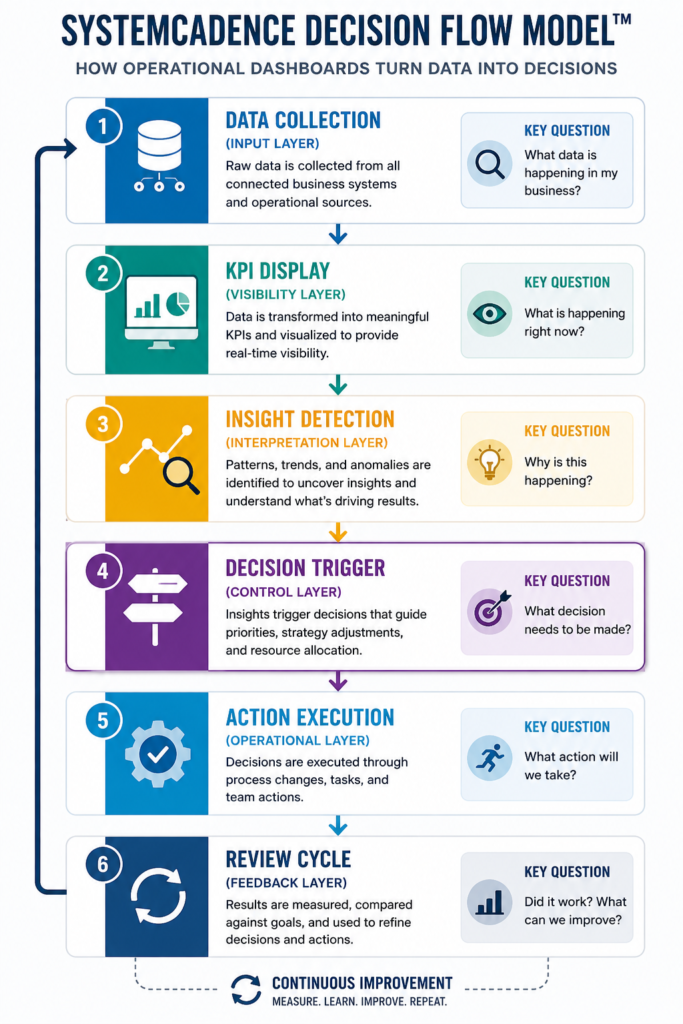
Follow a step-by-step checklist to stay organized, monitor obligations, and prepare for upcoming tax deadlines.
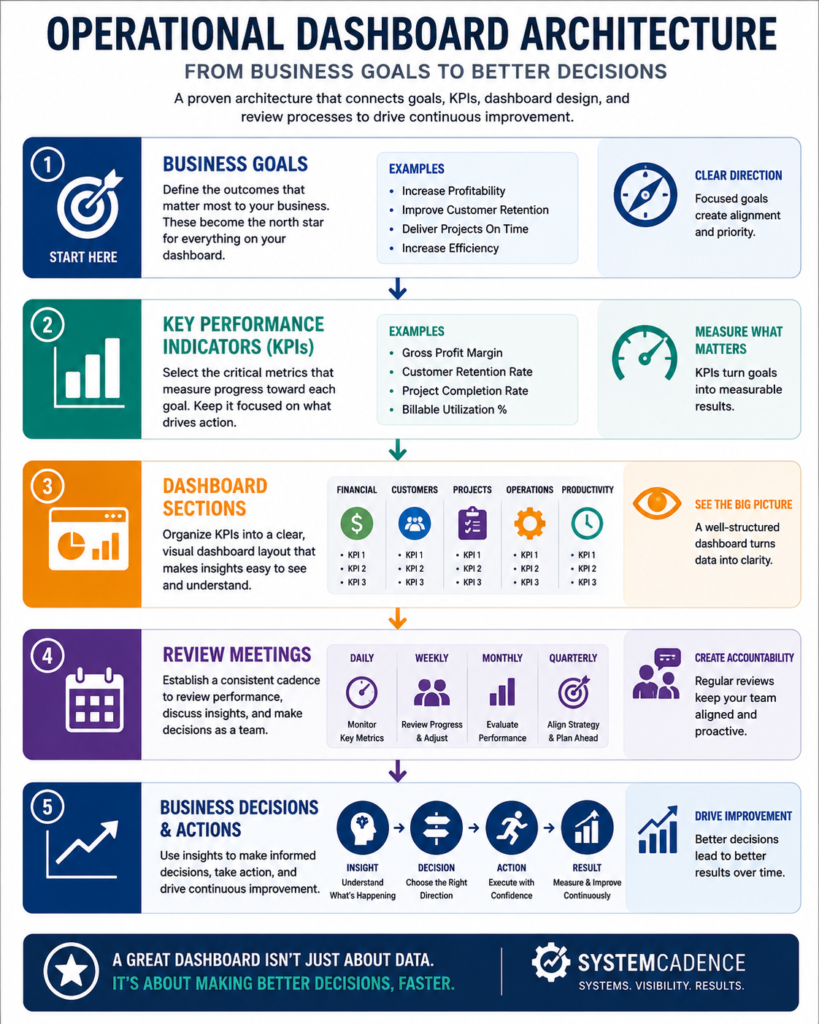
Create a repeatable quarterly process for reviewing income, estimating taxes, and maintaining compliance.
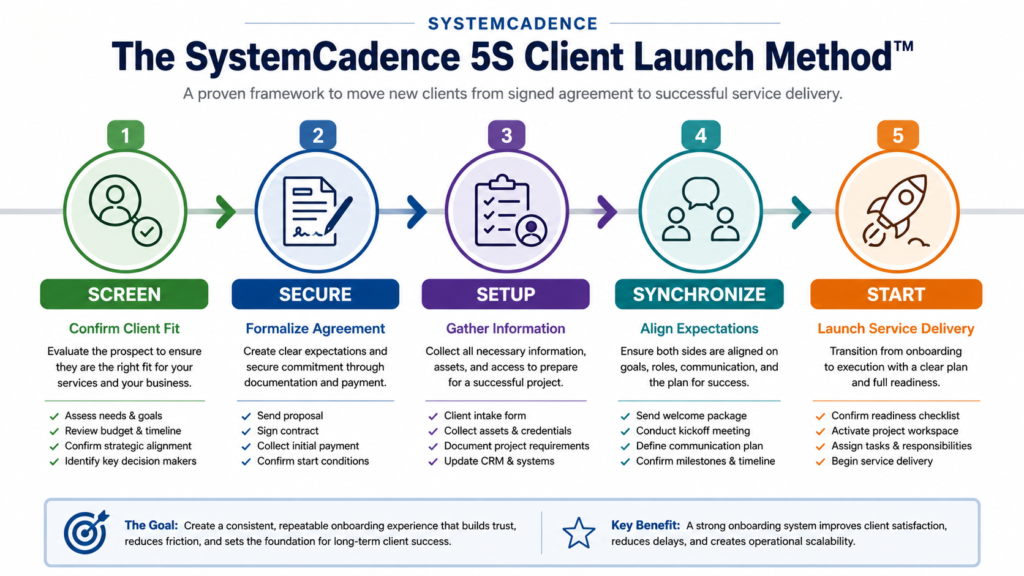
Build a year-round system that simplifies tax preparation and reduces last-minute filing stress.
Continue Building Your Tax Management System
Explore additional guides, templates, systems, and resources designed to help self-employed professionals stay organized year-round.